Types of Wood for Woodworking: A Beginner's Guide
Walk into a hardwood dealer for the first time and you'll feel like you need a forestry degree. You don't. You need to know about eight species, what they cost relative to each other, and a simple rule for matching wood to project type.
The two questions beginners get wrong are “which wood is best?” and “which wood is cheapest?” Neither is the right question. The right question is: what does this project need, and what’s available to me? Start there and the choice usually makes itself.
Softwood vs hardwood — what it actually means
The words don’t mean what they sound like. Softwood comes from coniferous trees (pine, cedar, fir). Hardwood comes from deciduous trees (oak, maple, walnut). The classification is botanical, not a rating of actual hardness — balsa is technically a hardwood, and it’s softer than most softwoods.
In practice, most hardwoods are denser and more durable than most softwoods, which is why the distinction matters. But the more useful split for beginners is structural vs furniture grade, and construction lumber vs hardwood lumber:
- Construction lumber (pine, SPF, fir) is sold in nominal sizes at home centers. It’s already milled, it’s cheap, and it’s perfect for learning. The downside is moisture content — construction lumber is often not fully dried, so it can warp. Let it acclimatise in your shop for a week before use.
- Hardwood lumber is sold by the board foot at hardwood dealers or online. It comes rough-sawn and needs milling, or you can buy it S2S (surfaced two sides) and skip the planer. More expensive, but the grain and durability are worth it for furniture.
The species worth knowing
Pine
The beginner’s wood. Cheap, easy to find, cuts and sands well. Takes paint fine, but staining is tricky — pine absorbs stain unevenly, so you’ll get blotchy results without a pre-conditioner. Great for learning joinery, building jigs, or any painted piece where the wood grain isn’t the point.
Use it for: first projects, painted furniture, workshop fixtures, practice cuts.
Poplar
A step up from pine for painted work. Poplar is a hardwood that machines beautifully, takes paint very evenly, and stays stable. It’s slightly more expensive than pine but worth it for furniture you want to last. The color is an unappealing green-gray, which is why it’s almost always painted.
Use it for: painted cabinets, drawer boxes, furniture that’ll be sprayed or brushed.
Red oak
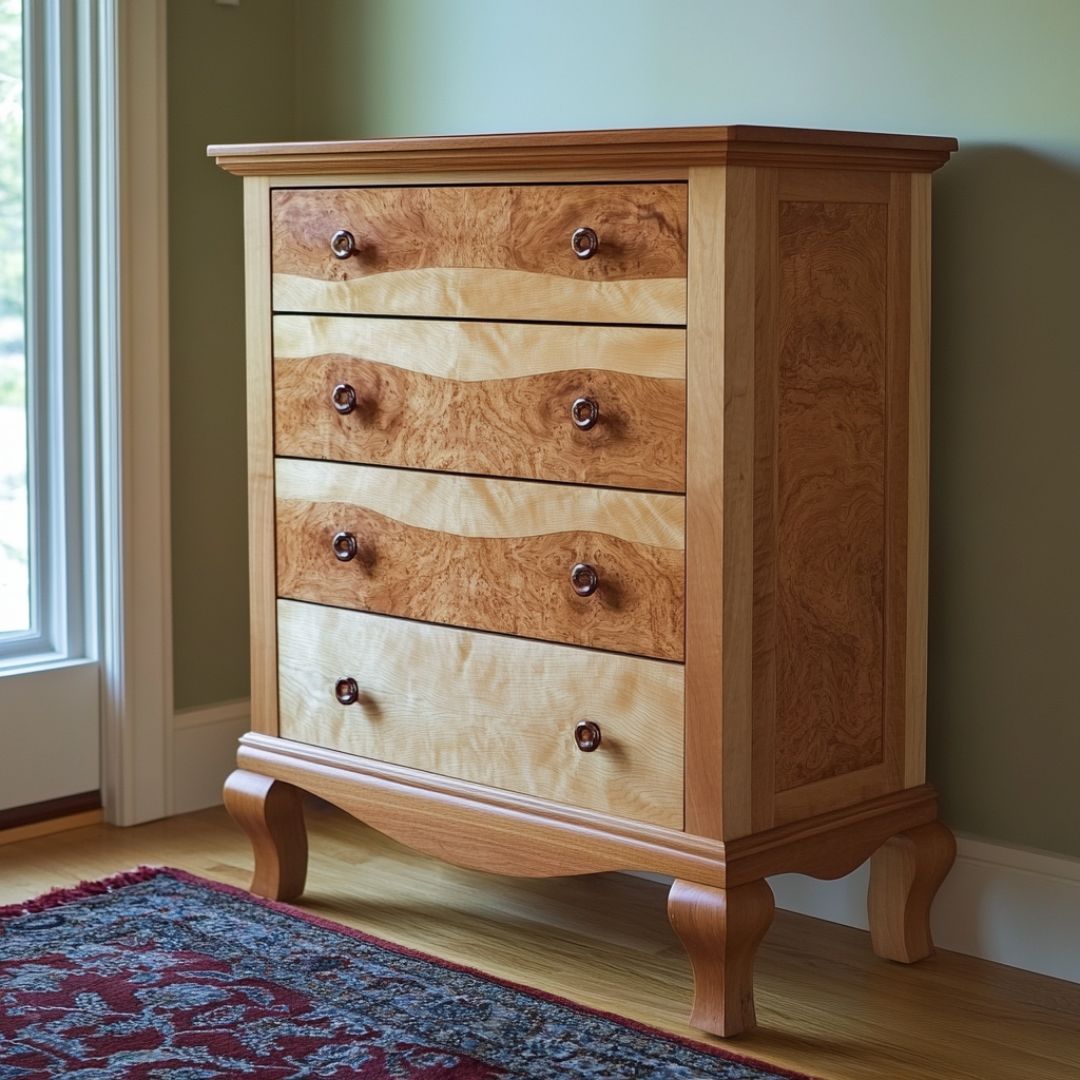
The most common hardwood at big-box stores and probably the easiest hardwood to source. It has an open, pronounced grain that really pops with stain. It’s hard enough to dent and scratch less than softwoods, but still very workable with standard tools. Glues and finishes well.
Use it for: dining tables, bookshelves, chairs, any stained furniture piece where you want visible grain.
Hard maple
Very hard, very dense, very light-colored. Maple doesn’t take stain evenly (similar problem to pine, but worse) — it’s usually finished with a clear coat to let the natural color come through. It’s the standard wood for butcher blocks and workbench tops because it handles impact and abrasion. Harder to work than oak but worth it for the right project.
Use it for: workbench tops, cutting boards, flooring-adjacent projects, natural finish pieces.
Walnut
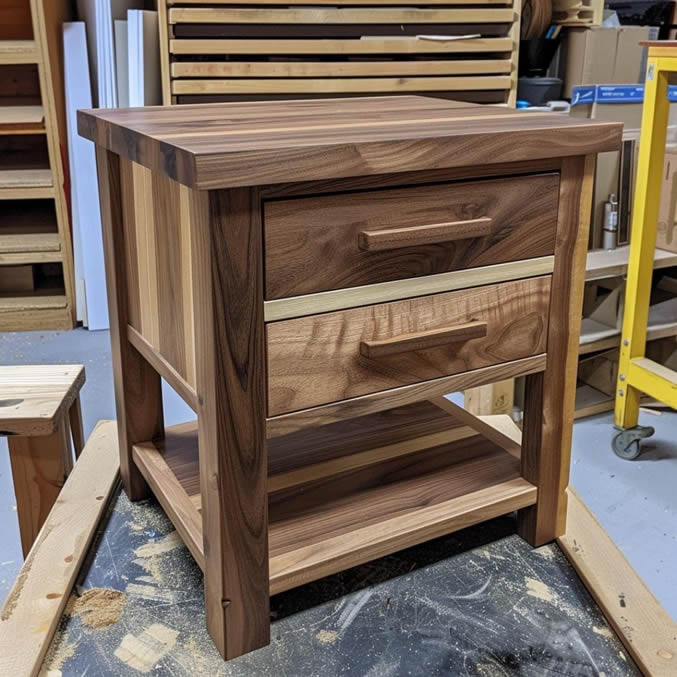
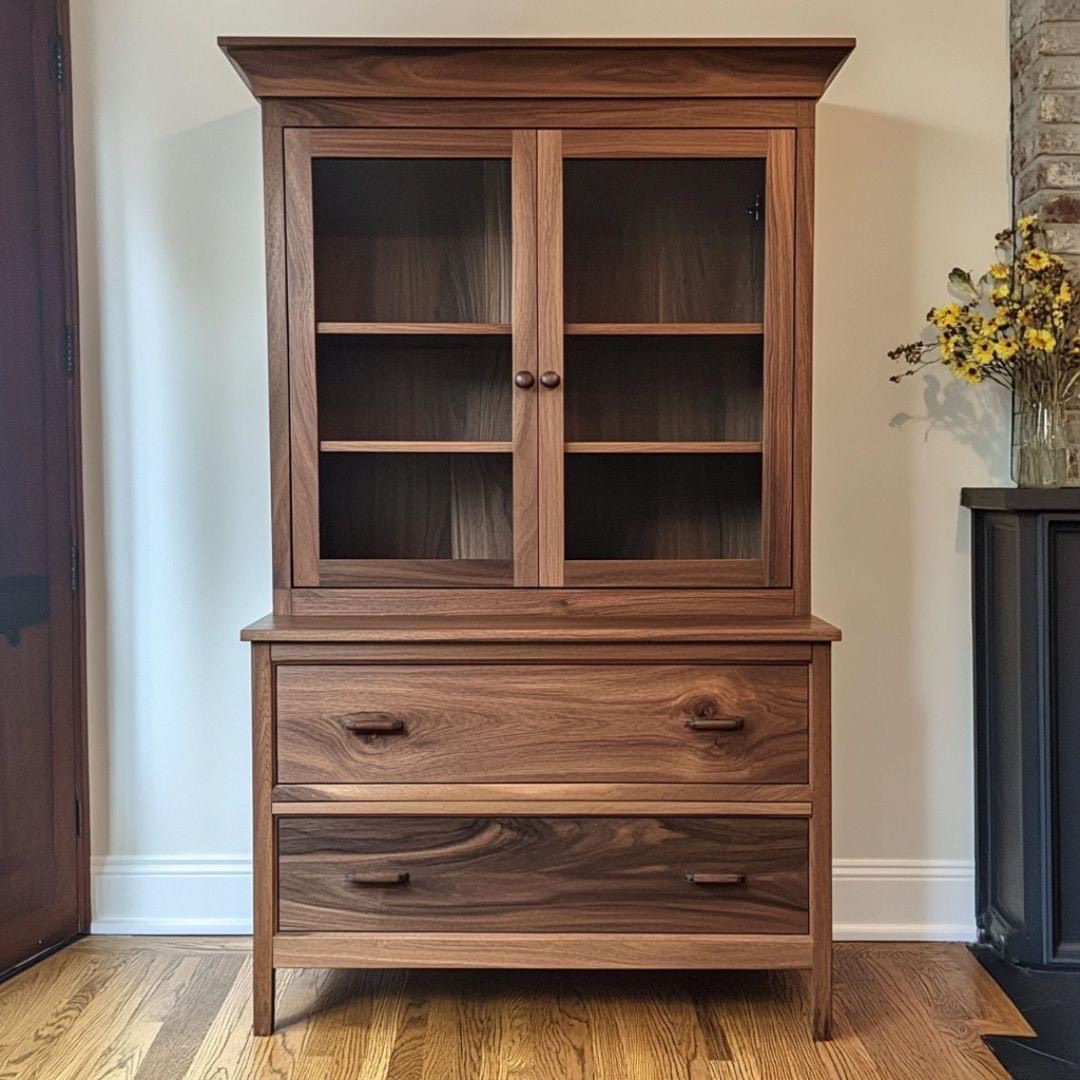
The showpiece wood. Deep chocolate brown with a straight, even grain that’s almost self-finishing. Walnut works easily, glues well, and looks expensive because it is — expect to pay two to four times more per board foot than red oak. That said, a small walnut accent or a walnut top on an otherwise modest piece elevates everything around it.
Use it for: statement pieces, small decorative items, tops, accent panels, anything you want to look high-end.
Cedar
Western red cedar and aromatic red cedar both smell like old wardrobes. The aromatic variety is the one used for blanket chests and drawer liners because the natural oils deter moths and pests. Both are soft, light, and easy to work, but they dent easily and aren’t great for structural pieces. Aromatic cedar can’t be finished with most film finishes — the oils prevent adhesion.
Use it for: blanket chests, closet liners, outdoor furniture (western red cedar handles weather well), decorative boxes.
Side-by-side comparison
| Species | Hardwood? | Relative cost | Workability | Stains evenly? | Best use |
|---|---|---|---|---|---|
| Pine | No | $ | Easy | No (use conditioner) | Painted pieces, learning |
| Poplar | Yes | $$ | Very easy | No (usually painted) | Painted furniture |
| Red oak | Yes | $$ | Easy–moderate | Yes | Stained furniture |
| Hard maple | Yes | $$$ | Moderate | No (clear finish) | Tops, cutting boards |
| Walnut | Yes | $$$$ | Easy | N/A (natural finish) | Statement furniture |
| Cedar | No | $$ | Easy | Yes (lightly) | Outdoor, chests |
Cost is relative: $ is construction lumber pricing, $$$$ is premium hardwood pricing. Actual prices vary by region and supplier — check your local hardwood dealer or a reputable online supplier.
Matching wood to your project
First project: use pine or poplar. The goal is learning the process, not spending money on expensive stock while you figure out how your saw behaves.
Painted furniture: poplar is the upgrade. It machines cleanly, paints evenly, and holds up better than pine over time.
Stained or clear-finished furniture: red oak is the most accessible. Walnut if budget allows and the piece warrants it.
Outdoor projects: western red cedar or treated lumber. Most hardwoods don’t like prolonged moisture.
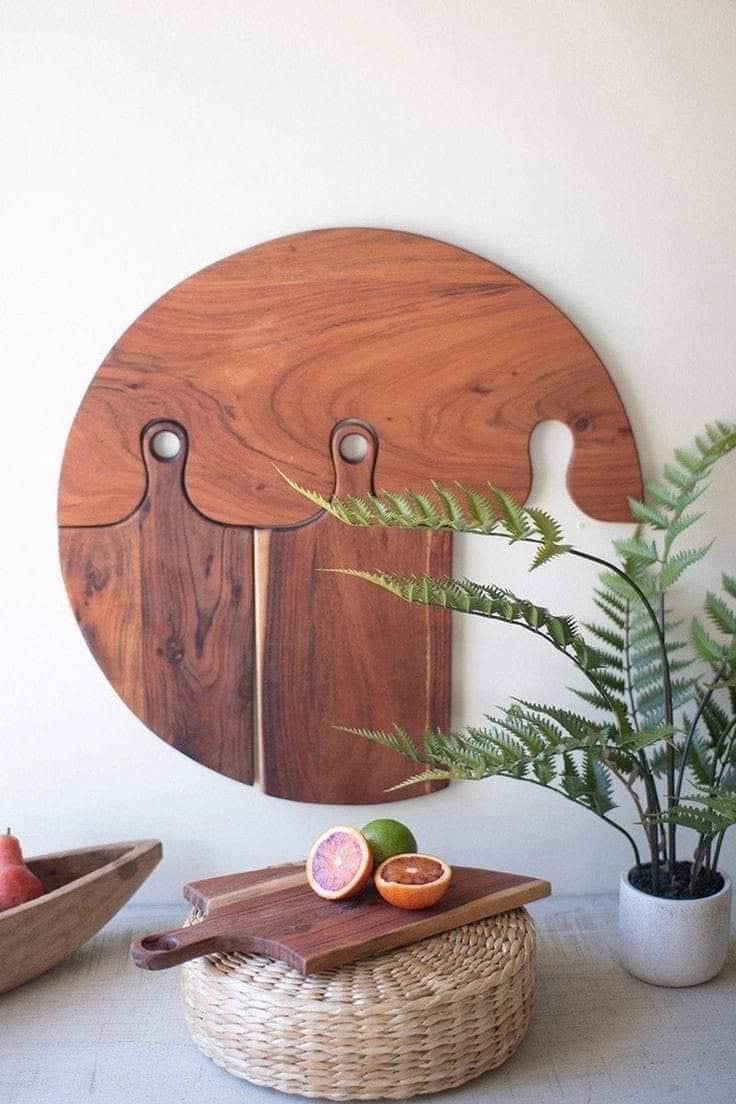
Cutting boards, butcher blocks: hard maple or end-grain walnut. These surfaces need to withstand repeated impact without splitting. Do not use treated lumber.
Small decorative boxes and keepsake pieces: walnut or cherry (cherry is another gorgeous hardwood worth exploring once you’re past beginner stage).
A note on buying lumber
Hardwood is priced by the board foot, a volume rather than a length. The board foot calculator turns a list of boards into board feet and a total cost at your yard’s price.
Before you buy, make sure you understand the tools needed to prepare it — that saves you from buying rough-sawn walnut with no way to flatten it. Our beginner tool guide covers what you actually need to get started without overbuying.
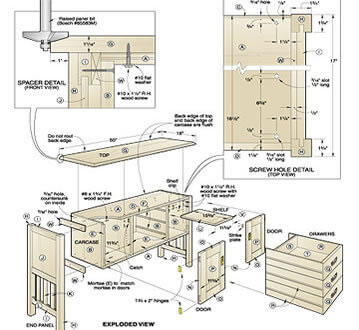
One more thing: knowing what wood to buy is only part of the equation. The other part is having a plan that tells you exactly what dimensions you need. Guessing, or working from a plan that lacks a real cut list, wastes expensive material fast. If you’re not working from complete, dimensioned plans, it’s worth looking at what a good plan library actually covers — the difference between a complete plan and a sketch with dimensions is the difference between wood that fits and a pile of expensive offcuts.