TedsWoodworking vs Free Plans: An Honest Comparison
Free plans are everywhere, so why pay for a library? Here's a fair, side-by-side look at where free wins, where a paid package like Teds earns its keep, and how to decide.
As always: this is an independent comparison, not the product's home page, and we didn't create TedsWoodworking. We may earn a commission if you buy through a link here — which is why we're about to spend a good chunk of this page telling you when free plans are the smarter choice.
Because they often are. Let's be fair to both sides.
Where free plans are genuinely great
Free woodworking plans can be excellent. Plenty of experienced makers publish detailed, well-tested builds online for nothing, and if you only need one project, hunting down a good free plan is absolutely the right move. No reason to pay for a library to build a single birdhouse.
The catch is consistency. Free plans are a mixed bag — some are immaculate, others are a blog photo and a vague parts list. You don't know which you've got until you're halfway through and discover a measurement is missing. The hunting and the vetting is the hidden cost.
Side by side
| What matters | Free plans | Paid library (Teds) |
|---|---|---|
| Completeness | Hit or miss — some excellent, many missing steps or dimensions. | Consistently complete on the vast majority of plans. |
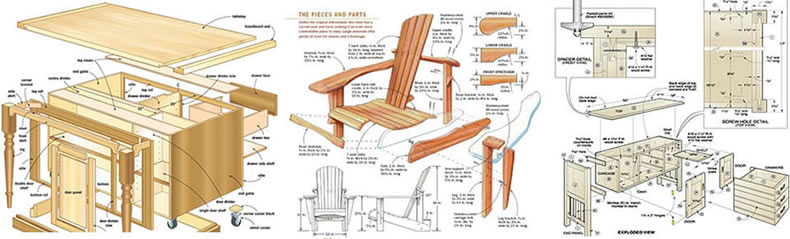
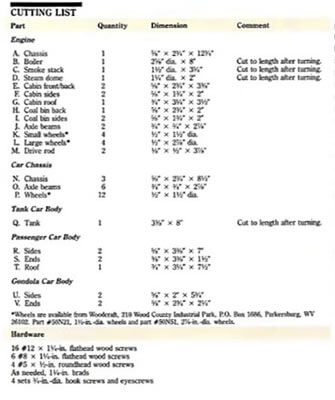
| Cut lists | Often partial or absent; you may have to work them out yourself. | Included, with dimensioned diagrams and materials lists. |
| Organization | Scattered across dozens of sites; you do the searching. | One searchable, categorized database (though it's a big one). |
| Cost | Free per plan. | One-time payment for thousands of plans plus bonuses. |
| Time saved | Low — you spend the time hunting and vetting. | High once you learn the search; less hunting, more building. |
| Interface | Whatever each site offers. | Functional but dated — not a modern app. |
| Guarantee | None — what you find is what you get. | 60-day money-back guarantee via ClickBank. |
Notice the table doesn't crown a universal winner. It shouldn't. The honest answer is that they're good at different things.
Affiliate link — opens the offer in a new tab.
The real difference: completeness and time
Strip everything else away and the comparison comes down to two things: how complete the plans are, and how much of your time goes into finding good ones.
With free plans, the plan itself costs nothing but your time is the price — searching, cross-checking, and occasionally eating a ruined board when a measurement was wrong. With a paid library, you pay once and buy back that time: the plans are vetted and complete, and they're in one place. Whether that trade is worth it depends entirely on how much you build.
How to decide
- Building one thing? Find a good free plan. We even publish complete ones ourselves — start with our free project guides, like the farmhouse bench with a full cut list.
- Building regularly, or planning to? The time you'd spend hunting and vetting free plans adds up fast. A complete, searchable library starts to look like the cheaper option once you value your weekends.
- Hate guesswork? If a missing measurement mid-build would genuinely ruin your day, the consistency of a vetted library is worth paying for.
Our take
Free plans are the right call for one-off builds and for anyone happy to do their own vetting. A paid library like TedsWoodworking earns its price for people who build often and would rather spend their time making sawdust than hunting for a plan that won't let them down. Both are legitimate — pick the one that matches how you actually work.
If you lean toward the library, read the honest pros and cons first in our full TedsWoodworking review. And either way, go build something — that's the whole point.
Affiliate link — opens the offer in a new tab. Independent comparison; not the product's home page.